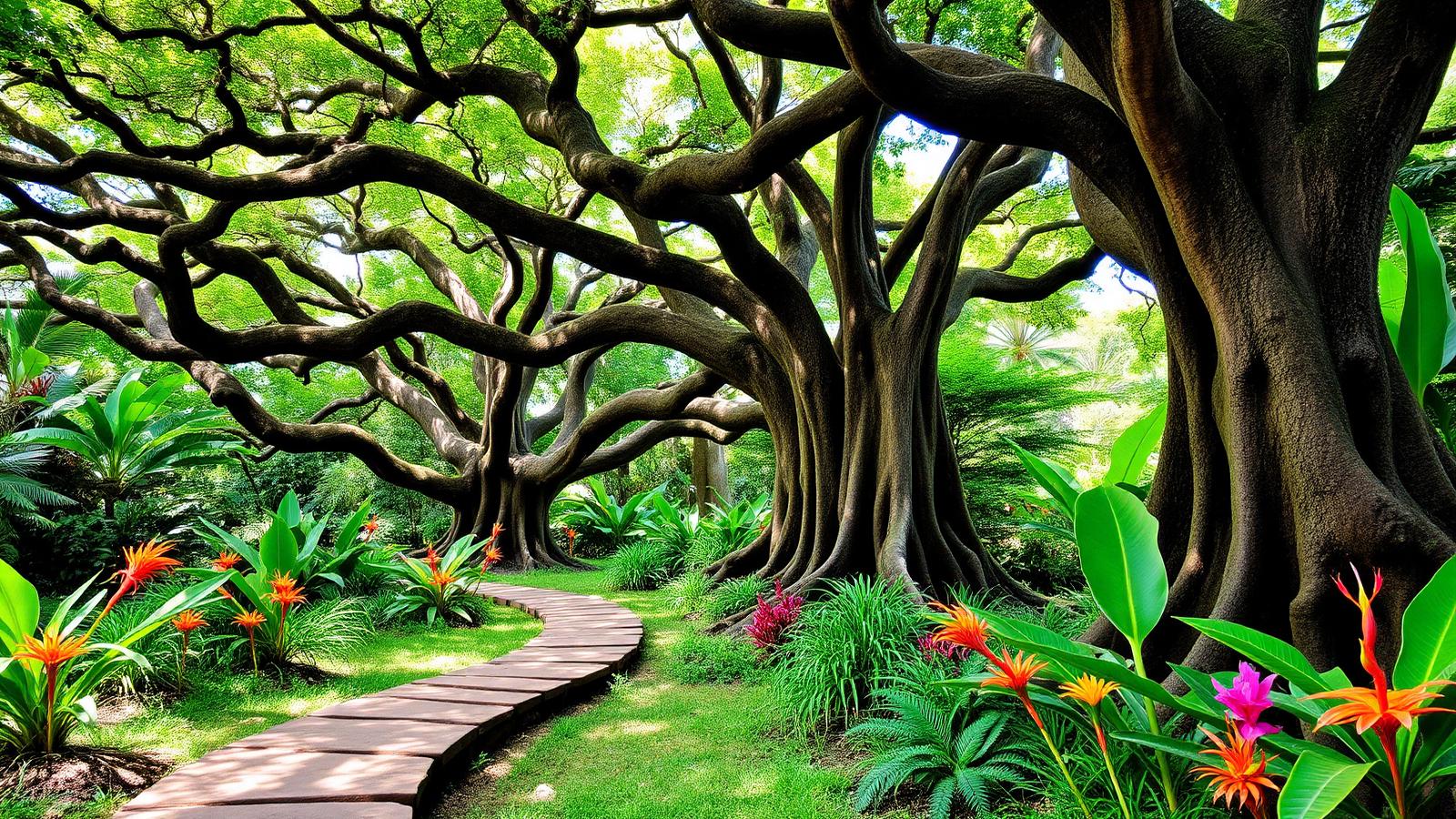
Island customs & etiquette.
Kauai is more than a vacation spot — it's a home, a culture, and a sacred land. Read this once before you arrive and you'll be welcomed like ʻohana.
The Aloha spirit — and how to give it back
Aloha isn't a greeting — it's a way of being. It means breath, presence, love, patience, and treating every person and every place as ʻohana. Locals give visitors the Aloha spirit freely; the unspoken expectation is that you give it right back. Smile first, slow down, say mahalo, let the other car go, pick up a stray piece of trash that isn't yours, listen more than you talk. If you leave Kauai gentler than you arrived, you got it right.
The rules
Sacred land is everywhere — and so are people's homes
Much of Kauai's land and attractions are sacred (kapu) AND sit right next to private homes and yards. Park only in marked lots or designated pull-outs, never on lawns or private driveways, and never cut across yards, fences, or 'private property' signs to reach a beach or trail. Locals live here — treat their street like your own.
Be mindful of marine life
Honu (green sea turtles), monk seals, and the reef itself are protected and beloved. Stay 10 ft from turtles, 50 yd from monk seals, never touch or chase them, and never stand on, kick, or grab coral. Use only mineral (zinc) reef-safe sunscreen — the reef is alive.
Drive with Aloha
Don't honk. Let people merge. The shaka (thumb + pinky wave) is the universal 'thanks'. Match local pace.
Don't stack rocks (no cairns)
Rock stacking is disrespectful to Hawaiian culture and damages reef and trail ecosystems.
Take off your shoes
Always remove shoes before entering a home, many small shops, or yoga studios.
Don't touch the wildlife
Stay 10 ft from honu (sea turtles) and 50 yd from monk seals. Touching them is a federal crime.
Respect 'kapu' (forbidden) signs
Kapu means sacred or off-limits. Don't trespass on private land. Locals see everything.
Pack out everything
Beach trash, cigarette butts, food wrappers — even biodegradable. Kauai has limited landfill space.
Tip well
20% minimum at restaurants, $2–5/bag for porters, $5–10/day for housekeeping.
Learn a few Hawaiian words
Aloha, Mahalo, Ohana, Pau, Mauka/Makai. Effort matters.
Don't compare to home
Hawaii is its own place. Avoid 'back home we…' conversations. Listen more than you talk.
Buy local, eat local
Skip the chains. Roadside fruit stands, food trucks, family-run restaurants.
No drones in state parks or over crowds
Drones banned in Hāʻena, Kalalau, Waimea Canyon, and over any beach with people.
Reef-safe sunscreen only
Oxybenzone/octinoxate sunscreens are ILLEGAL in Hawaii. Use mineral (zinc-oxide).
Never turn your back on the ocean
Rogue waves kill tourists every year. Watch the set for 5 minutes before you wade in.
Beaches are public — access can be tricky
Beaches below the high-tide line are public, but the path may cross private land. Use marked access points.
Don't pick the flowers (or the fruit)
Plumerias, hibiscus, mangoes hanging over a fence — they belong to someone. Ask first.
Saturday markets are sacred
Hanalei and Kauai Community Market are where locals trade. Show up, buy something, say mahalo. Don't haggle.
Hawaiian phrases worth learning
Hello, goodbye, love, breath of life.
Thank you. Use it constantly.
Thank you very much.
Family — by blood or chosen.
Child.
Elder, grandparent. Always shown respect.
Done, finished. 'Pau hana' = after work.
Toward the mountain / toward the sea.
Righteousness, doing what's right.
The land — sacred, alive, a relative.
To care for, protect.
Forbidden, sacred. Do not cross.
Sea turtle. Watch from afar.
Thumb + pinky wave. 'Thanks, hang loose, all good.'
Facebook groups
Curated by the editor — only verified, active groups will appear here.
Loading…