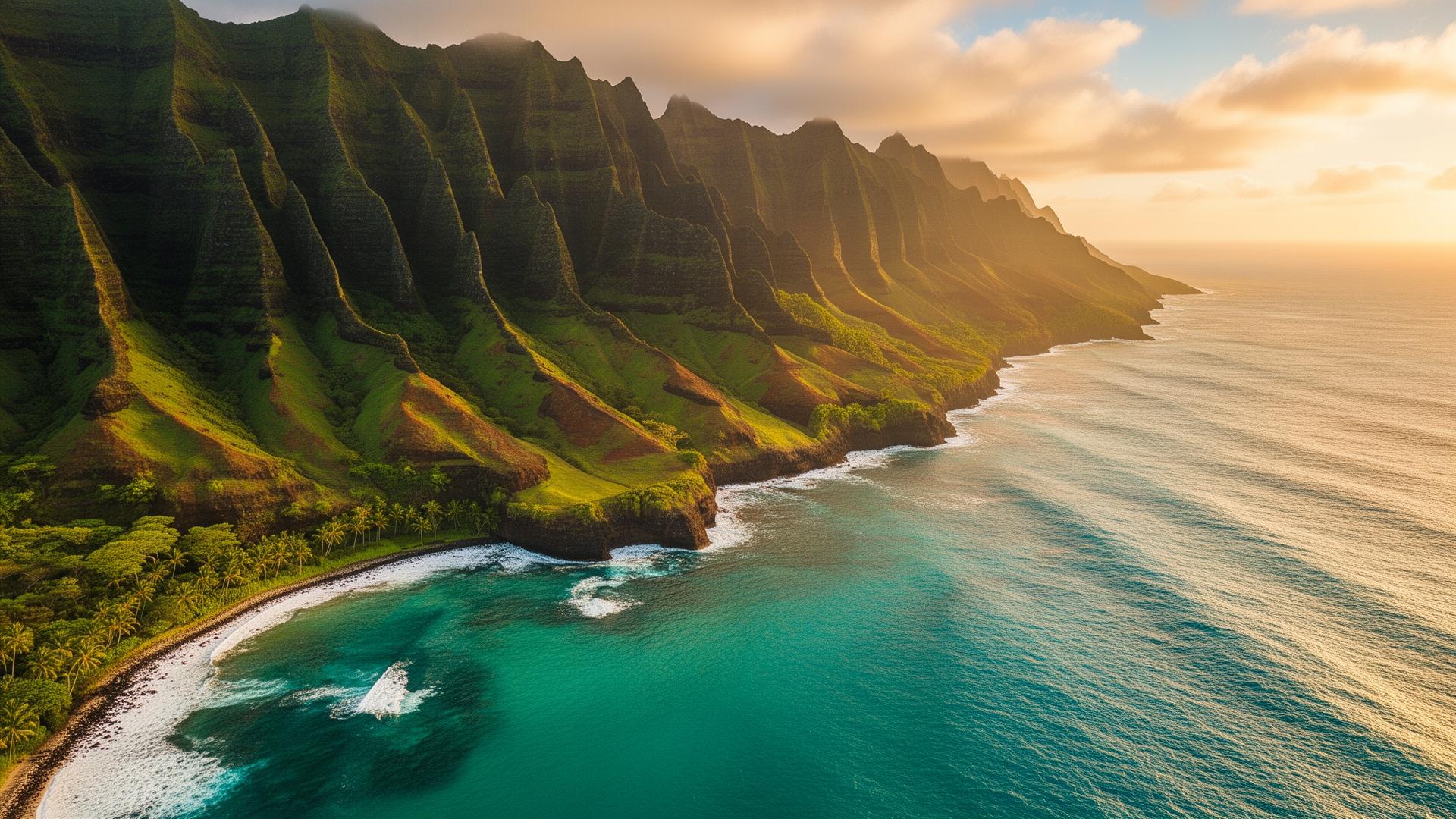
Kauai fishing.
Where to rent gear, locally-loved charters and guides, and a few honest tips on where to actually catch something.
Know before you cast
Hawaii does not require a recreational saltwater license for shore fishing, but freshwater fishing in public reservoirs does require a state license. Always check posted signage — some shorelines, harbors, and refuges have local restrictions.
Respect the reef, pack out your line, and don't take more than you'll eat.
Suggested spots
Loading…
Charters, guides & gear rentals
Found a great spot or shop?
Share this page so the next visitor doesn't show up empty-handed.
Kauai fishing splits into two very different worlds. Offshore charters chase mahi-mahi, ono (wahoo), ahi (yellowfin tuna), and the occasional marlin out past the reef — trips are half-day or full-day, boats leave from Nawiliwili and Port Allen (with some seasonal north-shore trips out of Hanalei), and weather cancels more often than visitors expect. Shore and pier fishing is the opposite: it's cheap, you can start today, and most locals will nod hello but won't share their spots.
This page groups every locally-loved charter, guide, and gear-rental shop we've vetted on the island. Below the listings you'll find the honest stuff — what actually bites from shore, when the currents are safe, and the rules you have to follow so you don't get a warning (or a fine) from a state officer.
What actually bites from shore
Shore fishing on Kauai is real fishing, not aquarium fishing. You can catch papio (small trevally), oama (juvenile goatfish, seasonal in summer), moi, awa'awa (ladyfish), and the occasional big ulua from rocky points at night. The pier at Hanalei, the mouth of Wailua River, Salt Pond, and the shoreline around Poipu are all reliable starting points. Bring a heavier rod than you think you need — ulua runs will straighten a light spinner.
If you're throwing lures from the rocks, watch every set of waves for a full 15 minutes before you commit to a position. Rogue waves have killed more visitors on Kauai than sharks ever will. When in doubt, stand back.
Rules & etiquette
Hawaii does not require a saltwater fishing license for recreational anglers, which surprises most visitors. That does not mean it's a free-for-all. There are size and bag limits on most sportfish, protected species you cannot keep (green sea turtles, monk seals, most billfish under certain sizes), and closed seasons on some reef fish. Look up the current DAR (Division of Aquatic Resources) regulations before you fish.
Local etiquette: don't set up right next to someone already fishing a spot, don't throw trash or bait bags on the rocks, and if a local asks you to move for good reason (they know a current, a reef, a turtle path), move. Most disputes on Kauai piers are about respect, not fish.
Charters — what to expect
Half-day charters run roughly 4 hours and are usually shared with 4–6 other anglers. Full-day charters run 8 hours, offer more time to reach productive water, and cost more per person. Most Kauai captains keep the catch by default — if you want to take fish home, ask before you book; some boats will let you take a portion, others keep it all for the boat. Bring layers, seasickness prevention (even if you never get sick), water, and a hat with a chin strap.
Frequently asked questions
Do I need a fishing license on Kauai?
No — Hawaii does not require a recreational saltwater fishing license. You still have to follow DAR size limits, bag limits, and protected-species rules.
When is the best fishing season?
Mahi-mahi and ono peak in fall and winter (October–March). Ahi is best late spring through early fall. Shore fishing is year-round; oama runs are a summer highlight.
Can I keep the fish from a charter?
It depends on the captain. Most Kauai boats keep the catch by default; some share it. Ask before you book if taking fish home matters to you.
Is it safe to fish from the rocks?
Only if you watch the water for 15+ minutes before setting up, wear reef shoes, and never turn your back on the ocean. Rogue waves are the number-one visitor danger on Kauai's coast.
Are there sharks?
Yes — tiger sharks and reef sharks are present in Kauai waters. Shark encounters with anglers are rare. Don't fish where people are swimming and don't clean fish at the shoreline.
See also: Activities · Live advisories